Women Are Quietly Walking Away From Botox. Koreans Do This Instead (Watch)
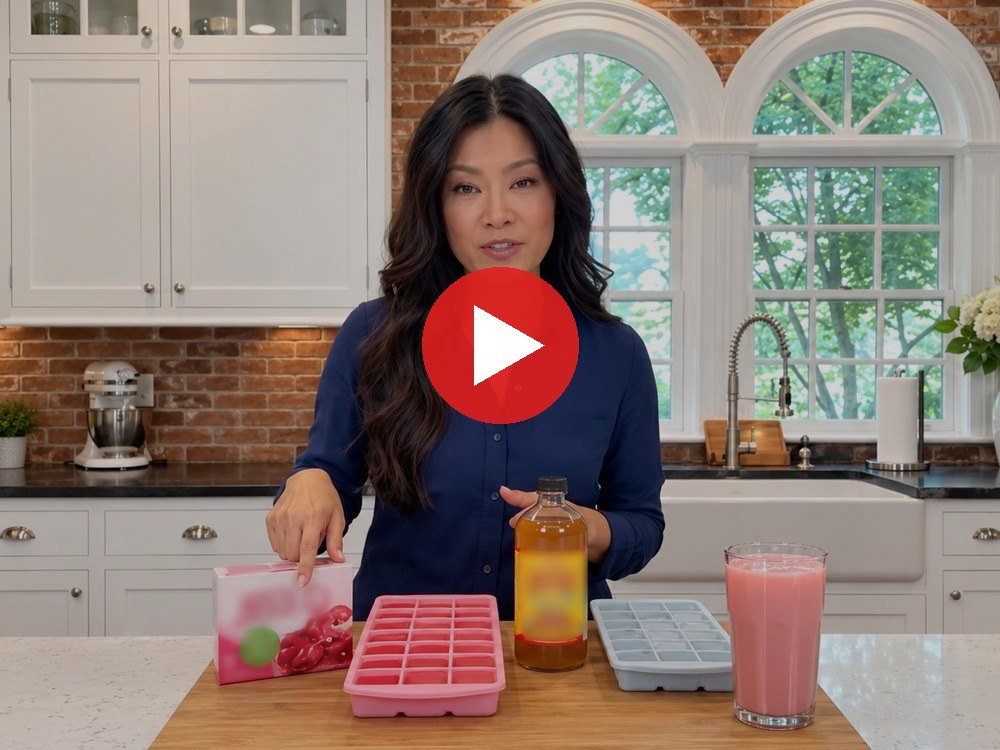
Forget Botox. Forget lasers. Forget the creams.
There's a strange Korean collagen habit, built around a cheap ingredient most of us only ever use for dessert. No needles. No clinic. No $600 appointments. And it's causing a stir among women who are tired of chasing their old face in the mirror.
Here's What Nobody Tells You About Wrinkles
Collagen, the protein that keeps your face looking firm, full and smooth, doesn't live on the surface.
It lives underneath.
And every single year, your body makes less of it.1 That's when the fine lines turn into wrinkles, the cheeks start to look "deflated," and the jawline and neck begin to sag.
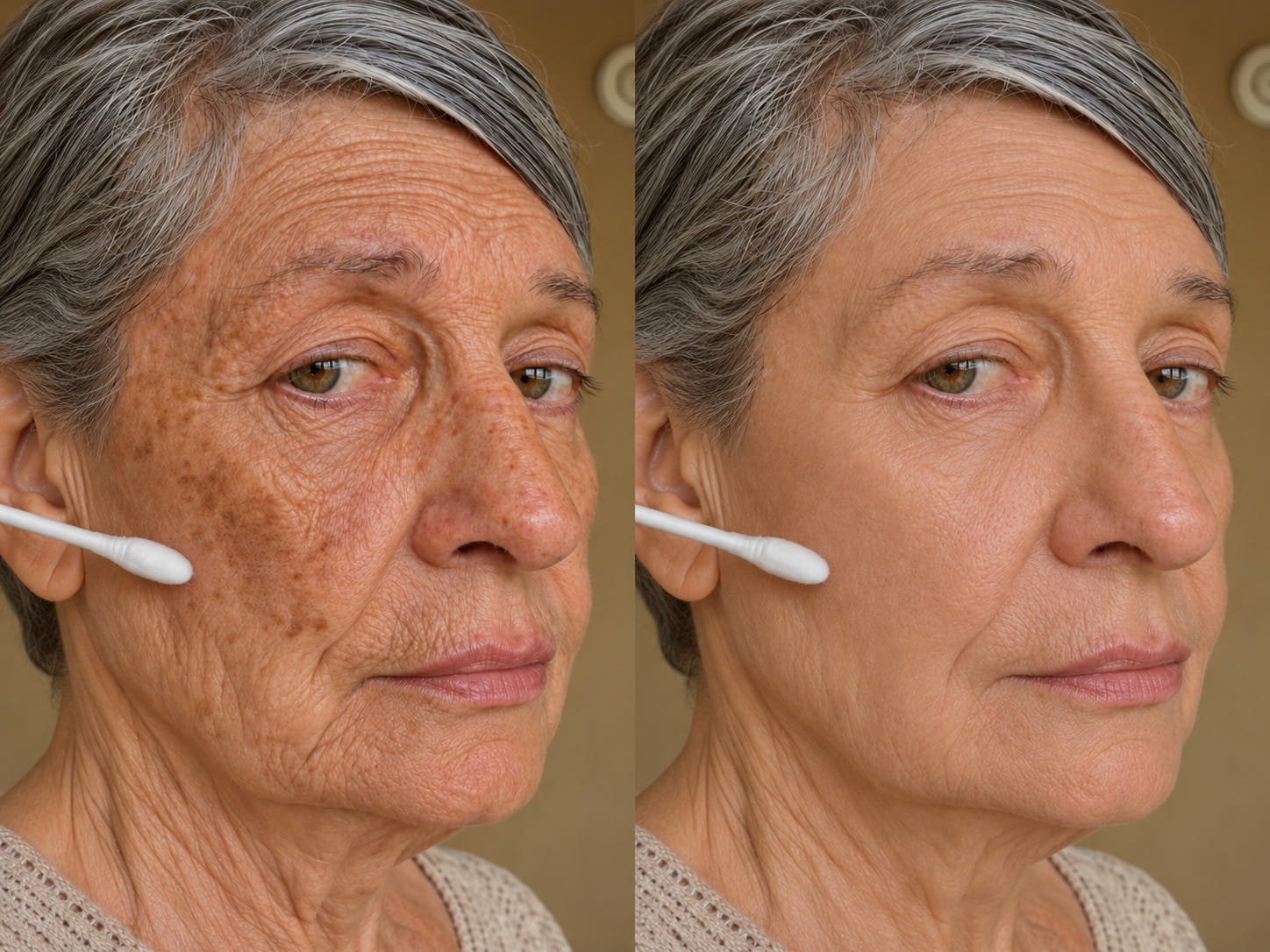
Creams sit on top of the skin. Botox freezes the muscles and wears off within a few months.2 Neither one touches what's happening beneath the surface.
▶ Watch The VideoSo Why Do Some Women Seem To Age So Much Slower?
You've seen it. Two women the same age, and one of them looks years younger. No visible work done. No frozen forehead.
In Korea, many women don't rely on injections for this. It started in the kitchen, with a simple gelatin ritual built around a pantry ingredient naturally loaded with glycine and proline, the building blocks of collagen.3 In placebo-controlled studies, collagen taken by mouth improved skin elasticity and hydration.4,5,6
But here's the surprising part: it's not just the gelatin. It's the ingredients it's paired with: vitamin C, which the body needs to build collagen,7 resveratrol, an antioxidant studied for skin aging,8 and PDRN, studied for skin repair.9 That's exactly what the presentation reveals.
- The hidden reason creams and Botox both fall short
- The odd "dessert" ingredient Korean women swear by, and why it works with 3 others
- The easy way to get all of it every day, without cooking anything
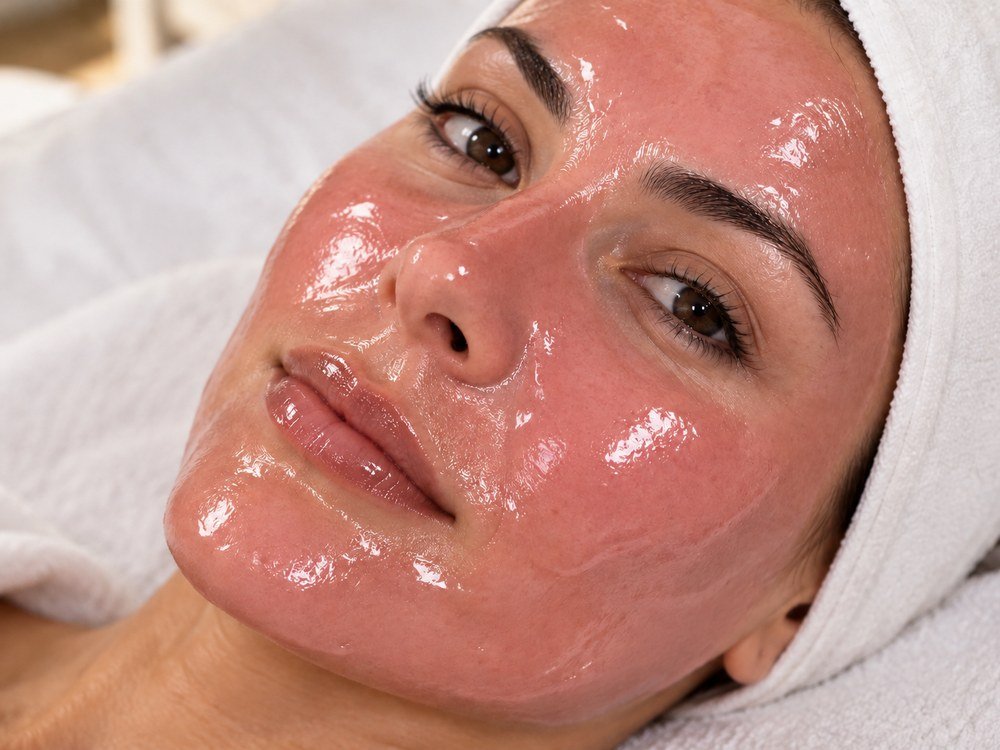
The Weirdest Part? You Don't Have To Cook Anything
Let's be honest: boiling gelatin in your kitchen every single day is messy, and most women quit after a week.
So the gelatin was packed together with vitamin C, resveratrol and PDRN into one small daily gummy. You chew it, and that's it.
The video shows how it works, who it's for, and how to try it for yourself.
References
- Varani J, et al. Decreased collagen production in chronologically aged skin. Am J Pathol. 2006;168(6):1861-8. https://pubmed.ncbi.nlm.nih.gov/16723701/
- Satriyasa BK. Botulinum toxin (Botox) A for reducing the appearance of facial wrinkles: a literature review of clinical use and pharmacological aspect. Clin Cosmet Investig Dermatol. 2019;12:223-228. https://pmc.ncbi.nlm.nih.gov/articles/PMC6489637/
- Exploring the Impact of Hydrolyzed Collagen Oral Supplementation on Skin Rejuvenation: A Systematic Review and Meta-Analysis. Cureus. 2023;15(12):e50231. https://pmc.ncbi.nlm.nih.gov/articles/PMC10773595/
- Proksch E, et al. Oral supplementation of specific collagen peptides has beneficial effects on human skin physiology: a double-blind, placebo-controlled study. Skin Pharmacol Physiol. 2014;27(1):47-55. https://pubmed.ncbi.nlm.nih.gov/23949208/
- Effects of Oral Collagen for Skin Anti-Aging: A Systematic Review and Meta-Analysis. Nutrients. 2023;15(9):2080. https://pmc.ncbi.nlm.nih.gov/articles/PMC10180699/
- Effects of hydrolyzed collagen supplementation on skin aging: a systematic review and meta-analysis. Int J Dermatol. 2021. https://pubmed.ncbi.nlm.nih.gov/33742704/
- Pullar JM, Carr AC, Vissers MCM. The Roles of Vitamin C in Skin Health. Nutrients. 2017;9(8):866. https://pmc.ncbi.nlm.nih.gov/articles/PMC5579659/
- Leis K, et al. Resveratrol as a factor preventing skin aging and affecting its regeneration. Postepy Dermatol Alergol. 2022. https://pmc.ncbi.nlm.nih.gov/articles/PMC9326919/
- Squadrito F, et al. Pharmacological Activity and Clinical Use of PDRN. Front Pharmacol. 2017;8:224. https://pmc.ncbi.nlm.nih.gov/articles/PMC5405115/